
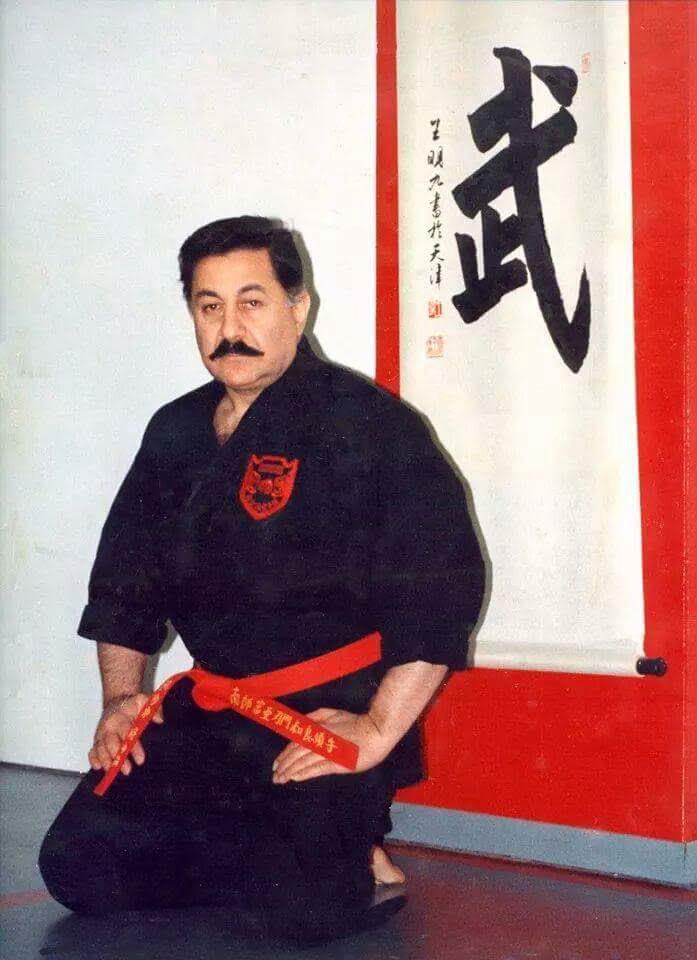
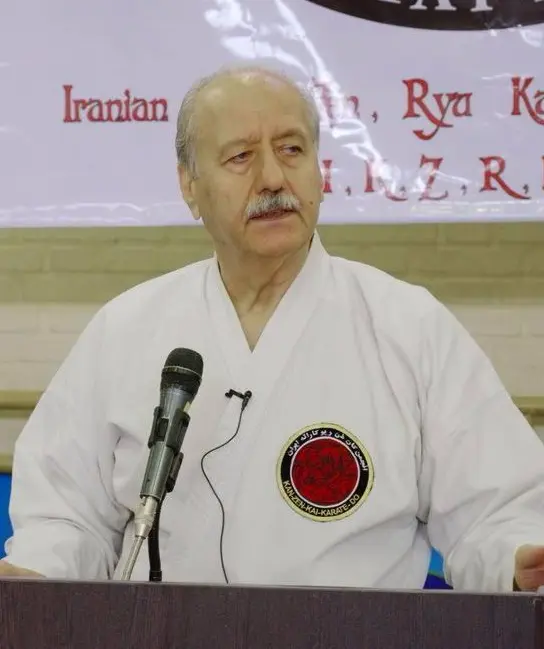
Sensei Varasteh, in order to remove all such limitations, created Kan-Zen-Ryu, the perfect style of Karate. It is a style without limitations. In Kan-Zen-Ryu, hand and leg techniques are used equally and usually in combination. The body shifts continuously from soft to hard and from hard to soft in nature. Equal importance is given to attacks and counterattacks in every situation, and maximum attention is paid to achieving complete coordination between techniques in their basic form and their modified applicative forms in actual combat.
Under the guidance and instruction of Sensei Varasteh, Kan-Zen-Ryu practitioners have won many international competitions since 1976. Presently, in the absence of Sensei Varasteh, his students, Sensei Mohammed Arinkhu (Black Belt 10th Dan) and Sensei Jamshid Salimi (Black Belt 8th Dan), are leading the Iranian Kan-Zen-Ryu Karate team toward even greater successes at the international level.
The All India Kan-Zen-Ryu Karate-Do Association was established as a branch of Iranian Kan-Zen-Ryu by Sensei Nasser Agh in January 1985. Since then, the membership of the association has grown from four to more than 1,000 members. Through the achievements of its members at district, state, and All India level competitions, Kan-Zen-Ryu has become a strong and well-known style across India. Since 1986, members of our association have won many prizes at All India level and international karate championships.
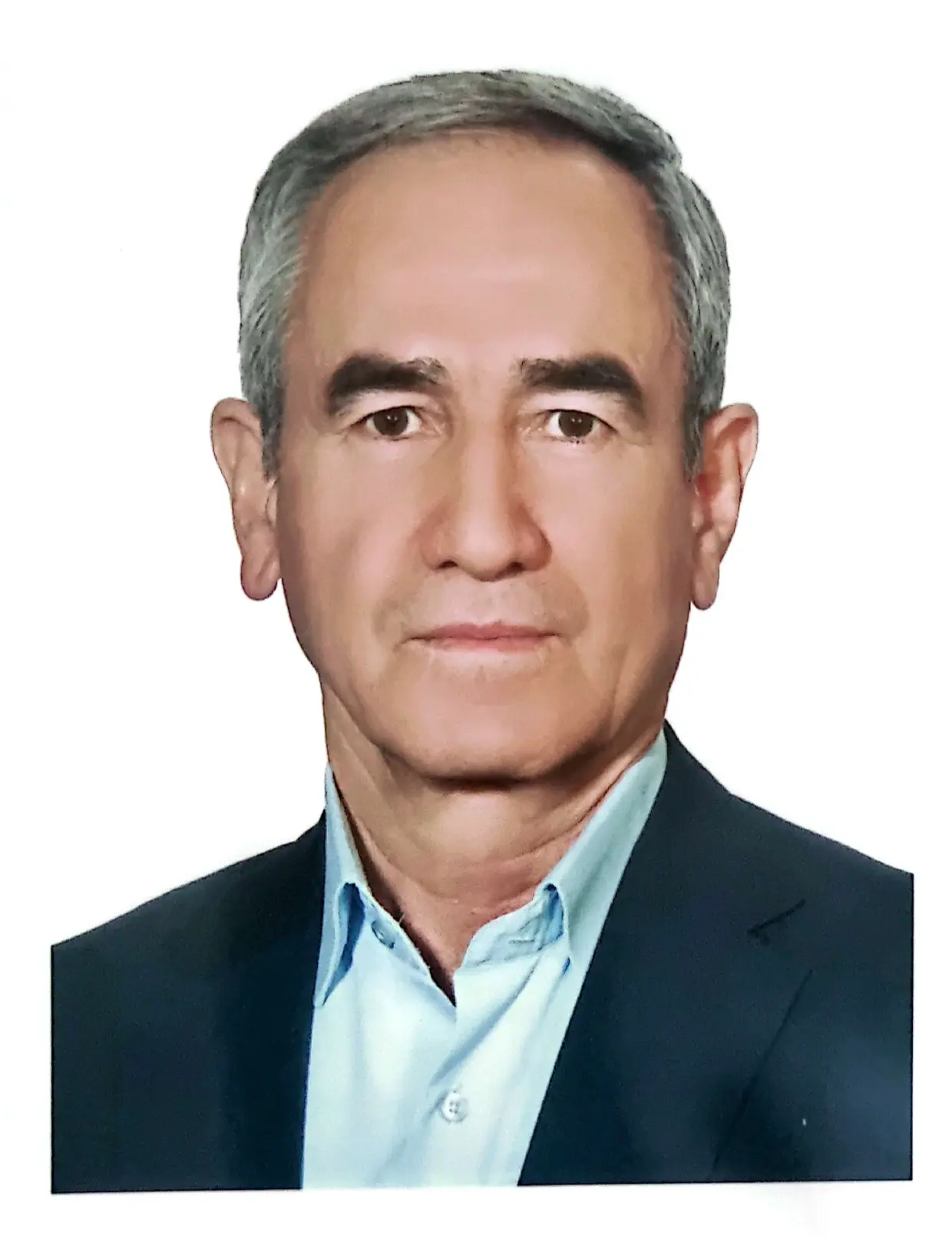
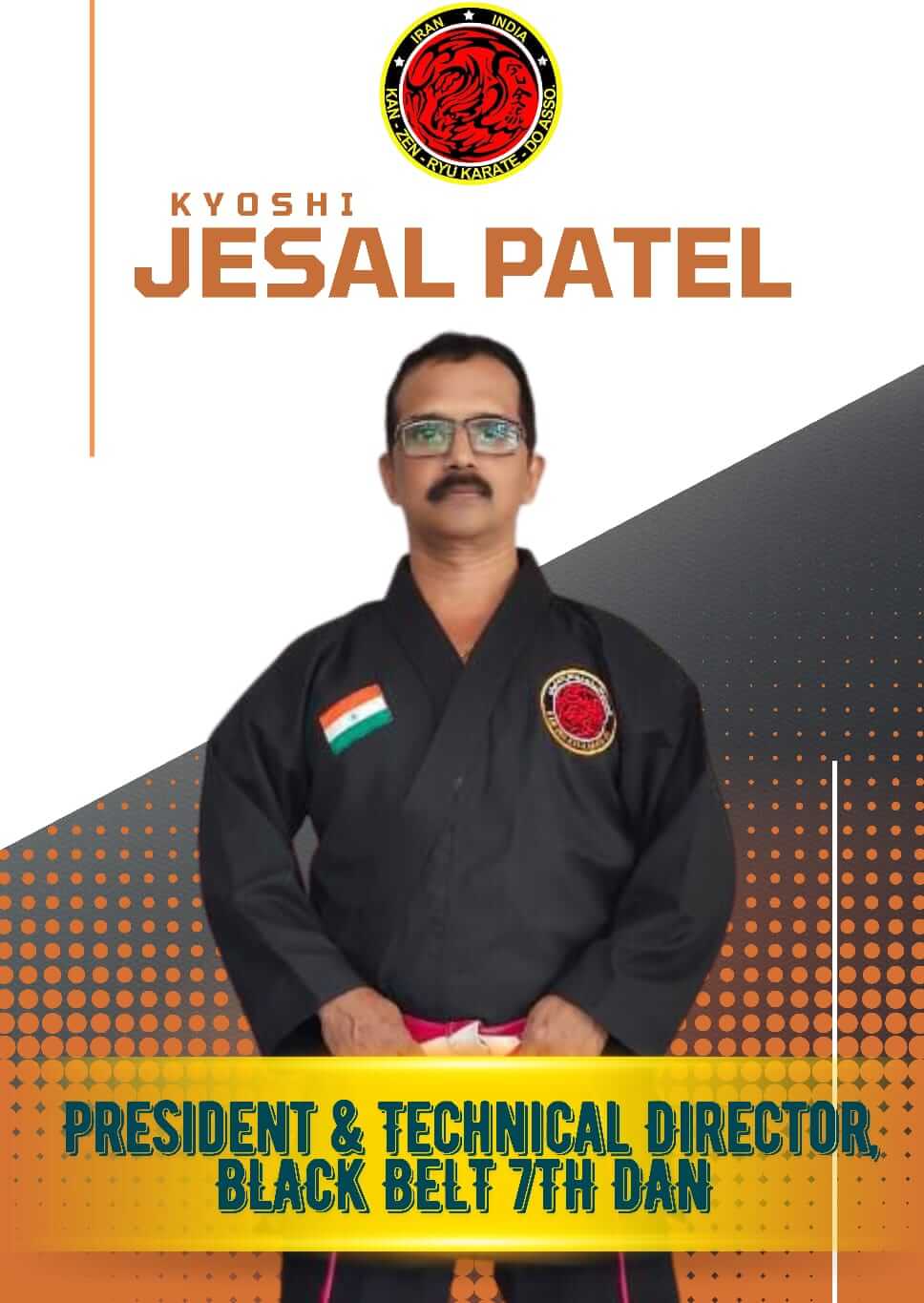
Professor Naser Agh established Kan-Zen-Ryu Karate-Do in India with a clear vision: to create world-class karate fighters capable of competing with the best athletes globally. For more than 25 years, he entrusted and passed on his legacy to Kyoshi Jesal Patel (7th Dan Black Belt), who has tirelessly developed the system across the country. Under Kyoshi Jesal Patel’s leadership, the association has produced outstanding athletes, many of whom have represented India on international platforms, bringing recognition, discipline, and excellence to Indian karate.
The origin of karate is very uncertain, legend states that some 1500 years ago a Buddhist monk, Daruma Taishi, of Southern India travelled to China to teach the secrets of Zen. There he secluded himself in the temples Shorinji at Chung Shan, Henan Provice Daruma’s Secret of Zen was very difficult to learn and the intense practice of austerity during the training period weakened his disciples mentally and physically. Therefore he devised a system of physical training that involved a combination of Indian Yoga breathing System and a Chinese unarmed combat known as Kempo.
In Okinawa combat techniques know as te (hand) were practiced in secret for many centuries, but they were traditionally of a hard nature, whereas teachings of Daruma Taishi were of a softer and more flowing firm. These contrasting elements were to combine and assume a new name, Kara-te that meant Tang hand (Chinese hand) Karate was brought to light for the First time in 1901 as a part of regular curriculum in the First Middle School of Okinawa.
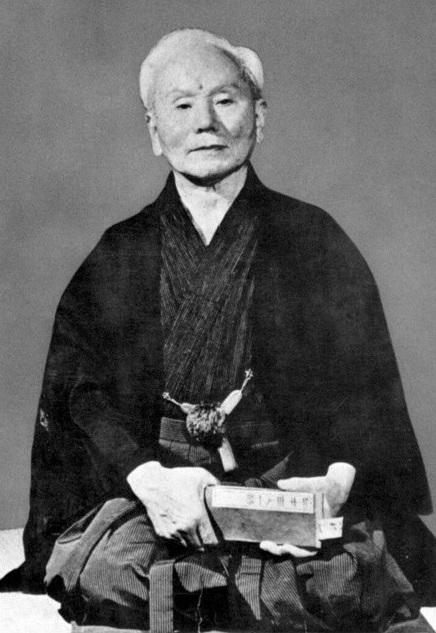
Master Gichin Funakoshi from Okinawa was the pioneer of karate in Japan. He emmigrated to Japan in 1920 and spent the rest of his life popularising karate there, in 1936 Master Funakoshi changed the method of writing Karate and chose another character of “Kara” which is drawn from Zen Tradition. In Zen sense, Kara means “Empty” or “rendering oneself empty”. In new form of writing, Kara-te was read empty hand.
Later, karate become widespread and many karate organisations were formed all over the world. Rules for tournaments were subsequently formulated to make karate a competitive sport. Therefore it could be safely said that karate has its beginning in China, was developed in Okinawa and systematized in Japan.